

Middle East conflict: Why it matters to India
image for illustrative purpose
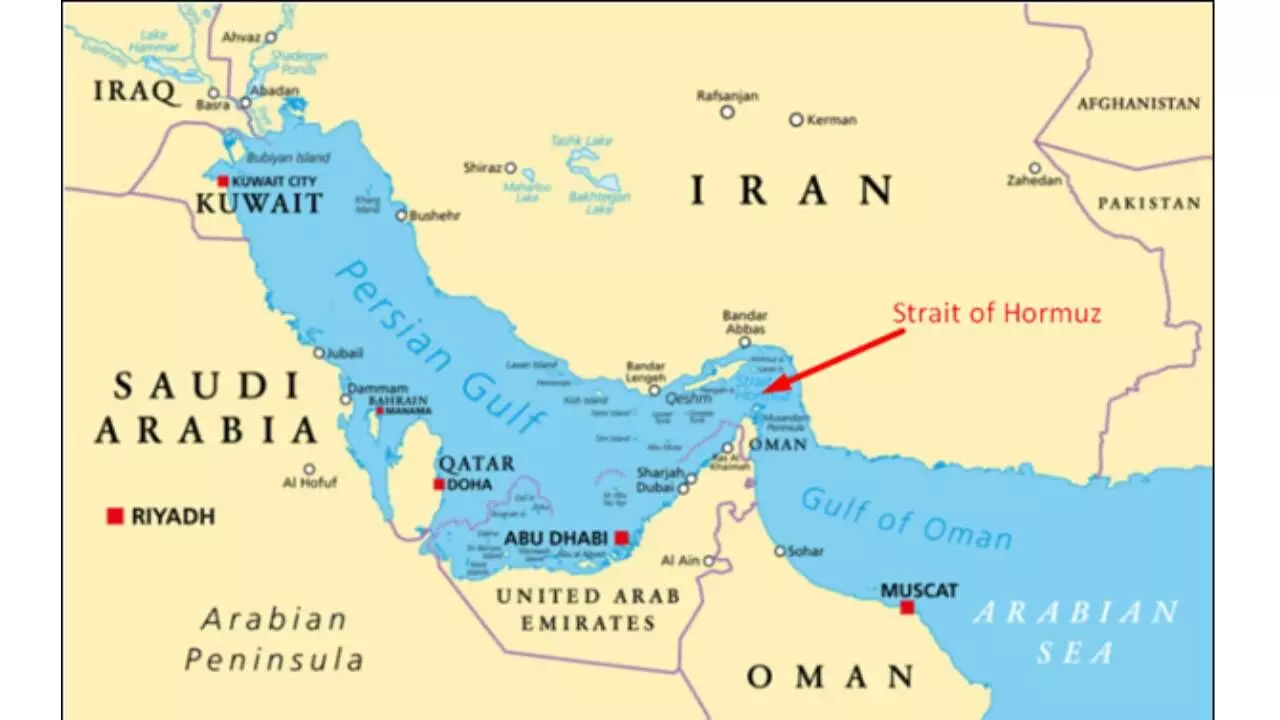
The fighting and tensions in West Asia are happening far from India. But they hit our fuel bills, prices, markets and wallets faster than most people realise. At the centre of it all is one narrow sea route: the Strait of Hormuz, one of the most important shipping chokepoints in the world
India’s crude oil imports
About 20 million barrels of oil per day (around 20% of global oil) moves through this Strait. In recent weeks, reports suggest about 40 %–50 % of India’s crude oil imports still travel through the Strait, so any disruption there is a direct economic risk.
Oil: The First & Biggest Impact
About 1 in every 5 barrels of oil in the world passes through the Strait of Hormuz.
India imports 90% of its crude oil, much of it from West Asia.
If the crisis continues…
•Ships avoid risky routes
•Global oil supply tightens
•Oil prices rise
What it means for India
•Higher petrol & diesel costs
•Higher LPG / cooking gas prices
•Costlier transport & electricity
Inflation: Daily Expenses Go Up
•Cost ripple effect
•Transport cost↑
•Goods become costlier to move
•Food, milk, vegetables prices↑
For the common man
•Monthly household expenses rise
•Savings shrink
•EMI pressure increases
Rupee Under Pressure
When oil becomes expensive:
•India pays more dollars to buy crude
•Demand for dollars rises
Result
•Rupee weakens
•Imports become costlier
•Foreign travel, education abroad cost more
•Trade Feels the Heat
West Asia is a big trading partner
If shipping slows
•Export delays
•Higher freight & insurance costs
•Pressure on exporters
Is India Safe from an Immediate Shock?
Short answer: Yes, for now
India has:
•Strategic oil reserves
•Multiple crude suppliers (Russia, US, Africa)
•But these are temporary cushions
•Longer the crisis → Bigger the impact





